
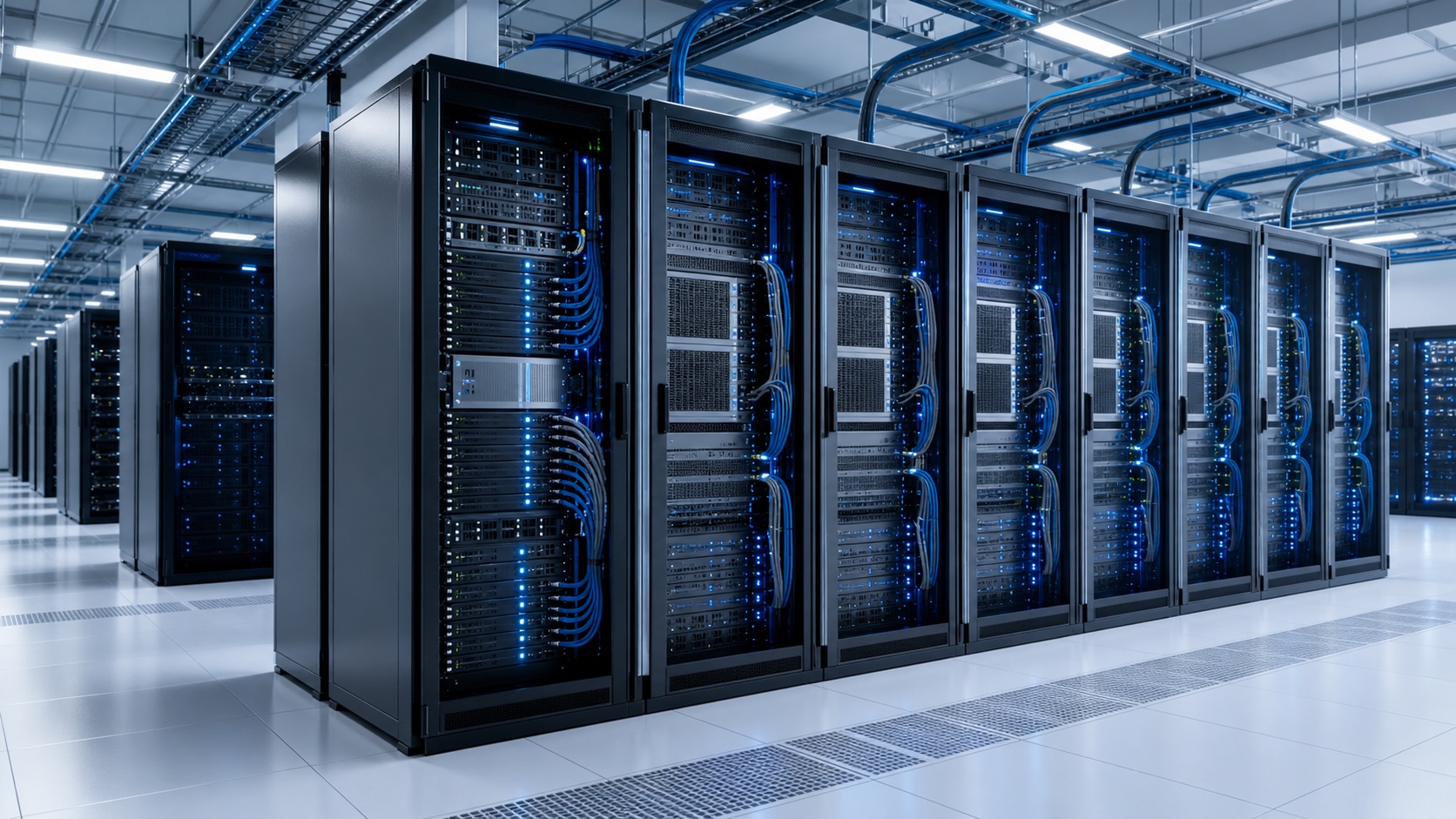
AI infrastructure has to do more than deliver peak performance. It must also remain predictable as models grow, workloads change, and more teams move from experimentation into production.
Start with a repeatable foundation
A scalable platform begins with a consistent deployment model across compute, networking, storage, and operations. Standardizing these layers reduces integration work and makes it easier to expand capacity without redesigning the environment for every new workload.
The result is a foundation that teams can understand, operate, and reproduce across locations.
Treat the network as part of the compute system
Distributed AI workloads depend on fast and reliable communication between accelerators. Network design, cable organization, and observability therefore need to be considered alongside the GPU architecture from the beginning.
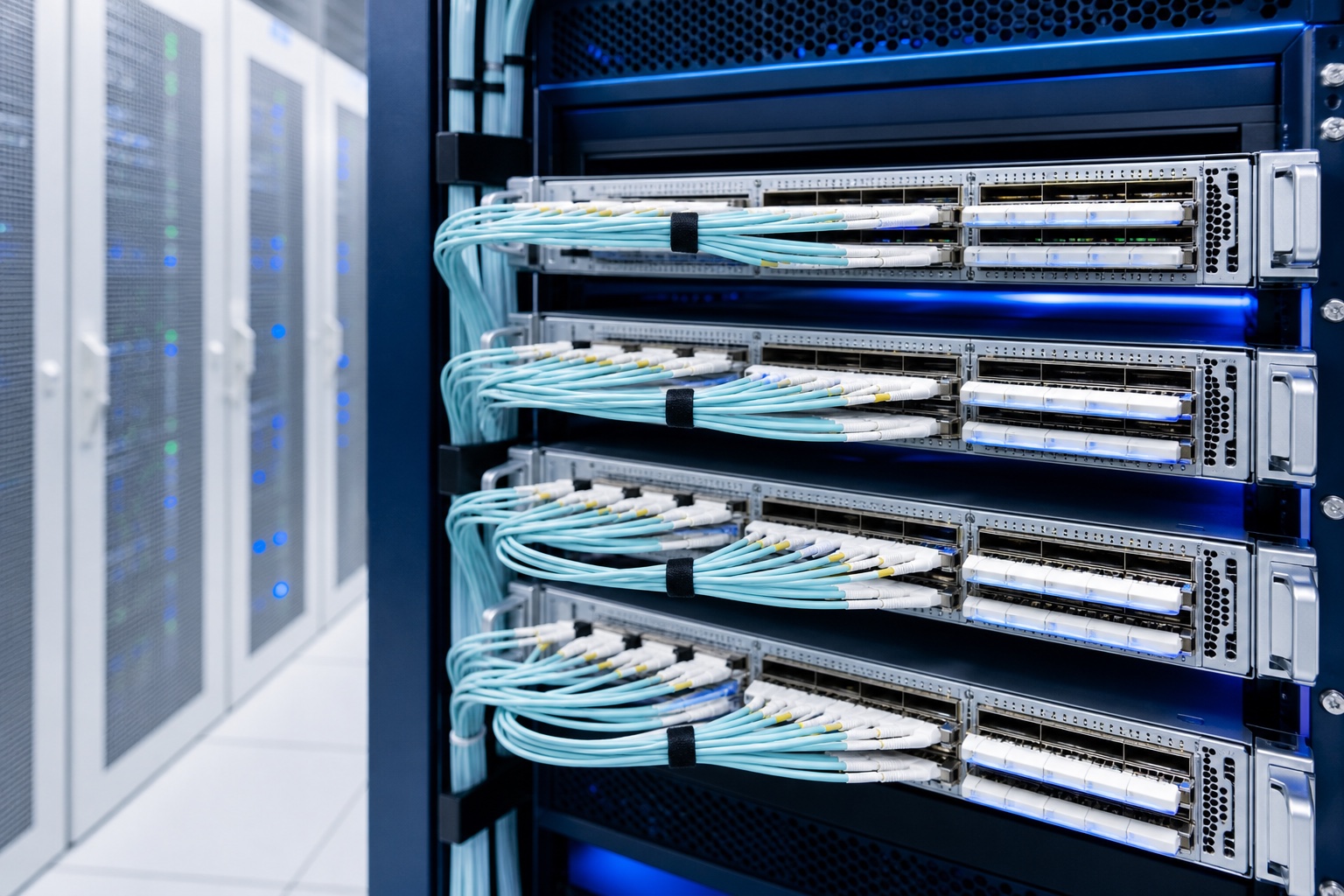
A balanced system avoids shifting bottlenecks from compute into data movement. It also provides a clearer path for scaling clusters while maintaining consistent performance.
Build for operations, not only deployment
Production infrastructure needs repeatable monitoring, lifecycle management, and capacity planning. These operational capabilities help teams identify issues earlier, coordinate upgrades, and make better use of available resources.
By combining a validated architecture with standardized deployment and operations, organizations can create an AI platform that is ready to evolve with their workloads.